

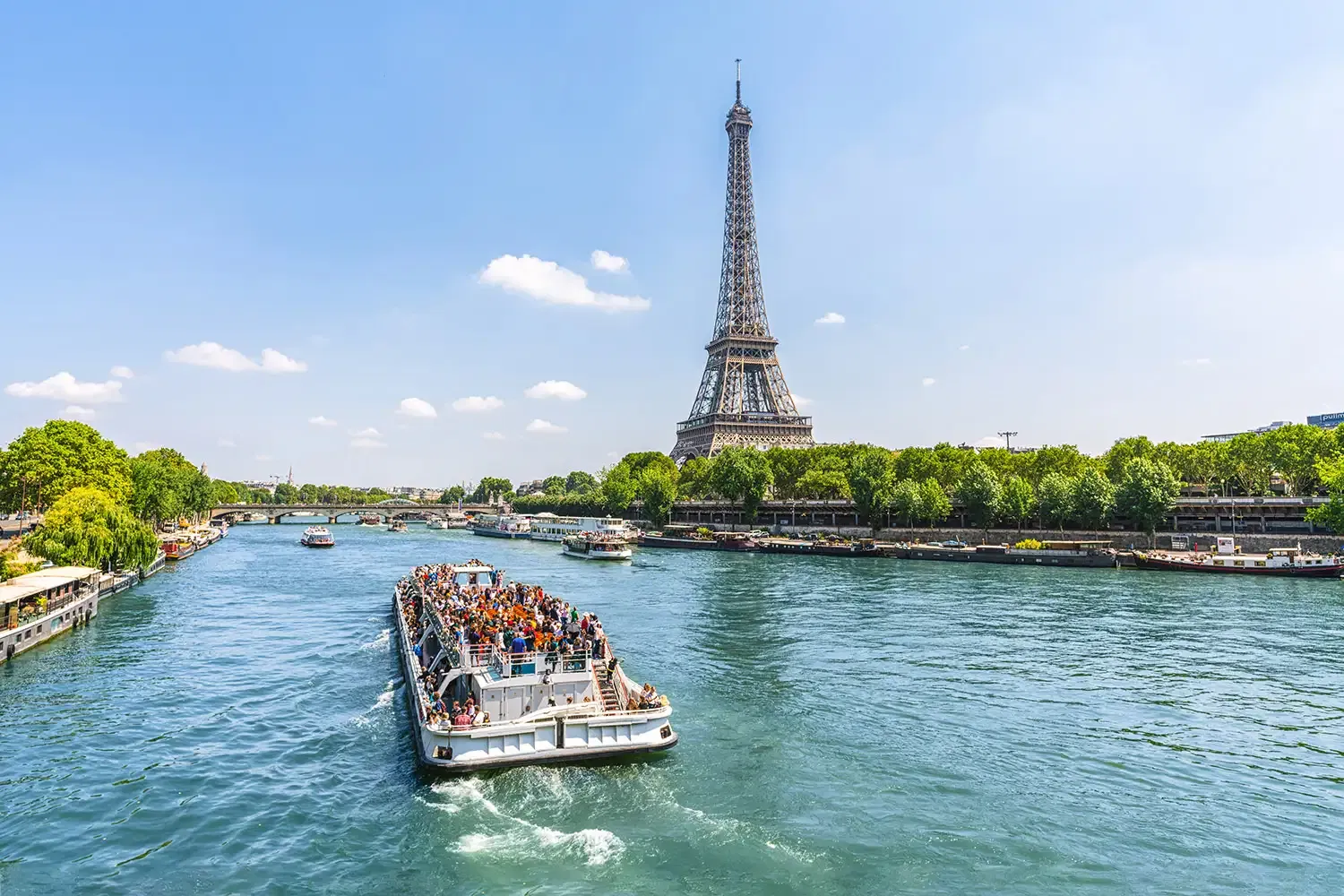
Paris is one of the most visited cities in the world, and yet, most people who go there don’t actually experience it. They spend two days, tick off three landmarks, eat at the wrong restaurants, and leave wondering what the fuss is about.
After three decades of planning trips for clients, we’ve watched the same pattern repeat itself: travellers rush Paris. They treat it like a checkbox. And they miss everything that makes it the city the rest of the world keeps trying to imitate.
Here’s how to actually do Paris properly in 2026, whether it’s your first time or your fifth.
Give it more than 48 hours
A weekend in Paris is enough to see it. It is not enough to feel it.
The city reveals itself slowly. The cafés make sense on the second morning, not the first. The neighbourhoods start to feel different from each other once you’ve walked them at different times of day. The light in the late afternoon, when it hits the limestone buildings, is something you can’t rush.
Our recommendation: minimum four nights, ideally five to seven. That’s when Paris stops being a postcard and starts being a place.
Choose your neighbourhood, it changes everything
Where you stay shapes your entire trip. The big mistake is booking near the Eiffel Tower or the Champs-Élysées because they’re famous. They’re also touristy, overpriced, and not where Parisians actually live.
A better breakdown:
● Le Marais (3rd & 4th arrondissements), historic, walkable, full of boutiques, galleries, and the best falafel in the city. Ideal for first-timers.
● Saint-Germain-des-Prés (6th), classic, literary, elegant. Where old Paris still breathes.
● Montmartre (18th), bohemian, hilly, full of charm. Great for romantics and creatives.
● Canal Saint-Martin (10th), younger, cooler, more local. Best for repeat visitors.
● Le Marais’s quieter sister, the 11th, wine bars, neighbourhood bistros, and almost no tourists.
We almost never book clients near the Eiffel Tower. It’s beautiful to visit, not to wake up next to.
The best time to go
May, June, September, and early October are the sweet spots. Mild weather, long days, full city energy without the August shutdown (yes, many Parisian businesses close in August, locals leave the city).
December is magical if you don’t mind cold, Paris in Christmas lights is its own kind of experience.
Avoid July and August unless you’re prepared for heat, crowds, and half-empty neighbourhoods.
What to plan in advance
● Restaurant reservations. The best ones book out 4 to 6 weeks ahead. Sometimes longer for places like Septime or Clamato.
● Museum tickets. The Louvre, Musée d’Orsay, and the Orangerie all sell timed-entry tickets, don’t show up hoping to walk in.
● Eiffel Tower access. If you want to go up, book early. The lines without a reservation are brutal.
● Versailles. Always book ahead, and always go early in the day.
● A private guide for one day. Even one. It transforms the trip.
What to leave open
● Mornings at cafés
● Wandering through Le Marais or Saint-Germain
● Bookshop browsing (start with Shakespeare and Company)
● Long lunches that turn into long afternoons
● A picnic at the Canal Saint-Martin or in the Tuileries
Paris isn’t built for tight schedules. It’s built for unhurried hours.
Experiences worth planning around
● A private wine tasting in a hidden cellar in the Marais
● A morning at a Parisian boulangerie before the queues form
● Dinner cruise on the Seine, yes, touristy, but genuinely beautiful when done right
● A perfume workshop near the Opéra
● A guided walk through the Père Lachaise Cemetery (more interesting than it sounds, Oscar Wilde, Jim Morrison, Édith Piaf all rest there)
● A day trip to Champagne, only 90 minutes from the city by train
Food: where Paris is changing
The Paris food scene in 2026 is no longer just classic French. There’s a new wave of neo-bistros, natural wine bars, and chefs from around the world reshaping what eating in Paris feels like.
A few directions worth exploring:
● Neo-bistros for inventive, casual French food (Le Servan, Clamato)
● Boulangeries for the best croissants of your life (Du Pain et des Idées, Cédric Grolet)
● Wine bars for an afternoon glass and a charcuterie board
● The covered markets, Marché des Enfants Rouges is a great first stop
Skip anywhere with a menu in five languages and photos of the food. That’s the universal sign of a tourist trap.
The Kaylux approach to Paris
Paris isn’t a city to consume, it’s a city to settle into, even briefly. The clients who love their Paris trips the most are the ones who let us slow it down for them. Better hotel, better neighbourhood, fewer activities, more space.
We don’t build Paris itineraries around landmarks. We build them around moments, the right café at the right time of day, the quiet museum room nobody else has found, the restaurant you’ll talk about for years.
If Paris is on your list for 2026, let us plan it the way it deserves to be experienced.